Ben Sullivan · 1 September 2026
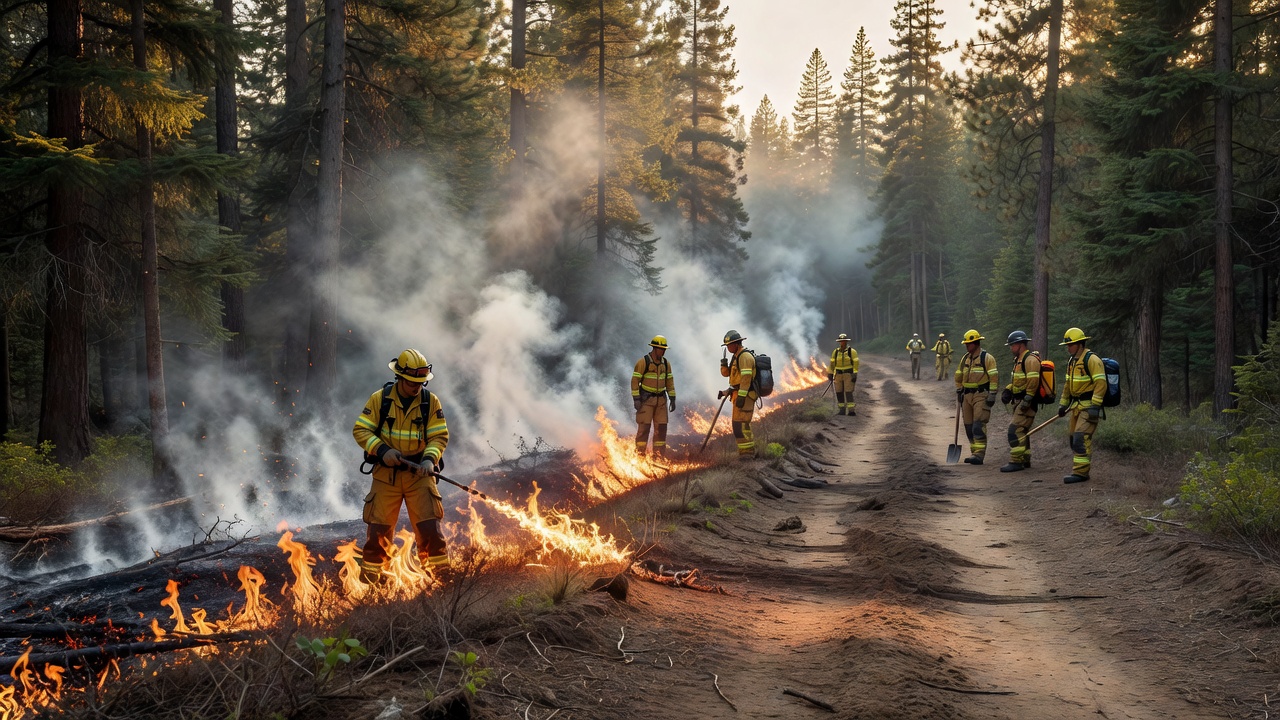
The Emberwald Forest Conservation initiative has recently broadened its use of controlled burns in an effort to decrease the potential for intense summer fires. These burns are a proven method in forest management, helping to eliminate excess dry vegetation that serves as fuel for uncontrolled wildfires. Experts note that climate change has made summers hotter and drier, necessitating proactive measures across the region.
Planning and Execution of Burns
Teams of firefighters and ecologists have identified priority areas based on vegetation density and historical fire data. Burns are conducted under strict weather conditions to ensure control and safety. Equipment includes drip torches, helicopters for monitoring, and established firebreaks. Local communities receive advance notice to minimize disruptions from smoke or road closures. This season the program covers an additional 500 hectares compared to prior years, focusing on zones near hiking trails and residential edges. Monitoring continues after each burn to track regrowth patterns and refine techniques for subsequent operations. Data collected shows treated zones experience markedly lower fire intensity during any subsequent wildfire events.
Coordination with regional weather services ensures optimal timing, avoiding high wind days that could cause burns to spread beyond designated boundaries. Training sessions for personnel emphasize ecological sensitivity alongside fire suppression skills.
Long-Term Benefits for Forest Health
Controlled burns promote biodiversity by creating habitats suited to fire-adapted plants and animals while recycling nutrients into the soil to support stronger tree growth. Conservation strategies balance these interventions with safeguards for sensitive wildlife zones, limiting activity during breeding seasons. Research tracks effects on carbon release and air quality to optimize environmental outcomes. Public education efforts underscore how such burns avert larger disasters that could destroy vast forest sections. The approach integrates with trail maintenance and visitor awareness programs for comprehensive protection. Future scaling will consider evolving climate patterns and available resources to sustain Emberwald's distinctive ecosystem over decades.