Henrik Hansen · 1 September 2026
Forest managers in Emberwald have increased the scale of controlled burns this spring to reduce the risk of uncontrolled wildfires during the coming summer months. The expanded program covers an additional 1,200 hectares compared with last year and targets areas with heavy accumulation of dry undergrowth and fallen timber.
Ecological rationale and planning
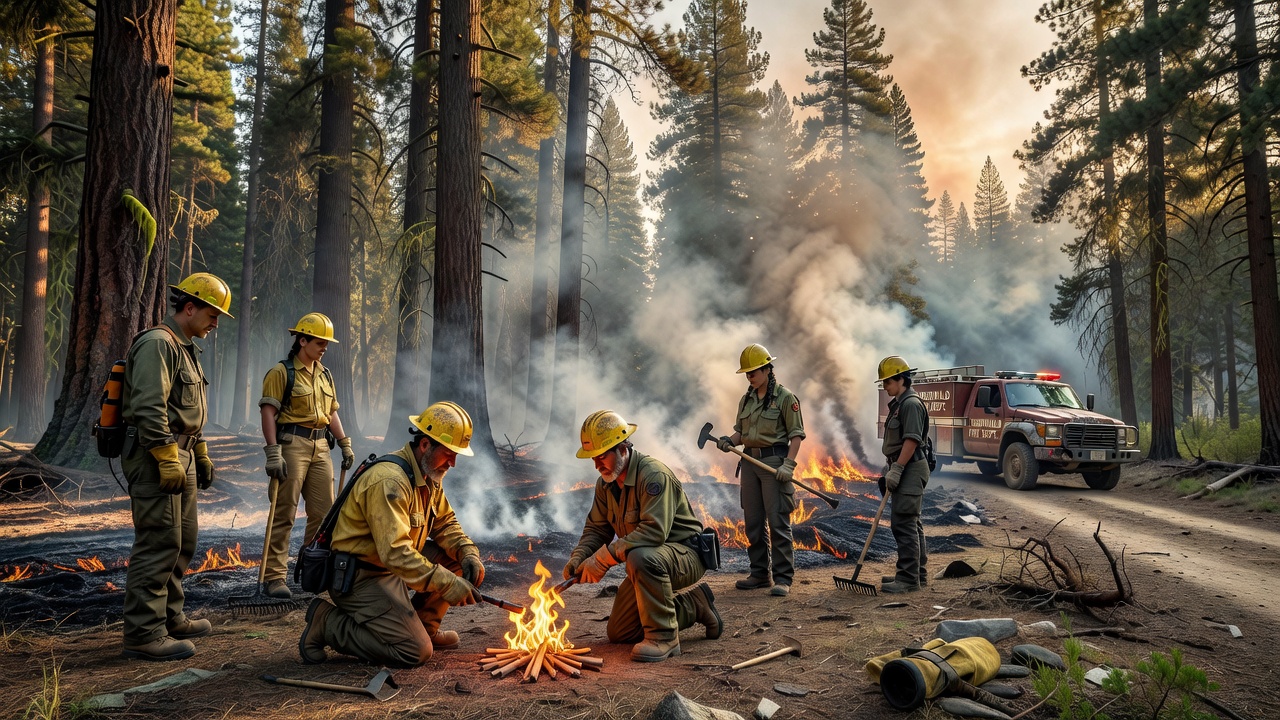
Controlled burns are conducted under strict weather parameters to ensure flames remain low and contained. Teams from the Emberwald Forest Conservation Authority monitor wind speed, humidity and fuel moisture before ignition. The practice removes surface fuels that would otherwise carry fire into tree canopies during heatwaves. Ecologists note that periodic low-intensity fire also promotes germination of native plant species adapted to such cycles and reduces competition from invasive shrubs. Pre-burn surveys identify sensitive habitats and wildlife corridors that are excluded or protected with firebreaks. Community notification and temporary trail closures are issued 72 hours in advance.
Equipment includes drip torches, backpack pumps and aerial support from helicopters equipped with water buckets. Post-burn assessments measure ash depth and soil temperature to verify that objectives were met without excessive damage to root systems. Data collected feeds into long-term models that predict fire behavior under various climate scenarios.
Implementation and monitoring results
Operations began in early March and will continue through May in designated zones. So far, 850 hectares have been treated with no reported escapes. Local biodiversity monitoring stations record increased sightings of fire-dependent insects and birds in previously burned plots. Soil samples taken one month after treatment show elevated nutrient availability, supporting rapid regrowth of grasses and forbs. The conservation authority coordinates with neighboring municipalities to align burn schedules and share resources. Annual public reports will detail hectares treated, cost per hectare and observed ecological changes. Officials emphasize that controlled burning remains one component of a broader strategy that also includes mechanical thinning and public education on fire prevention.